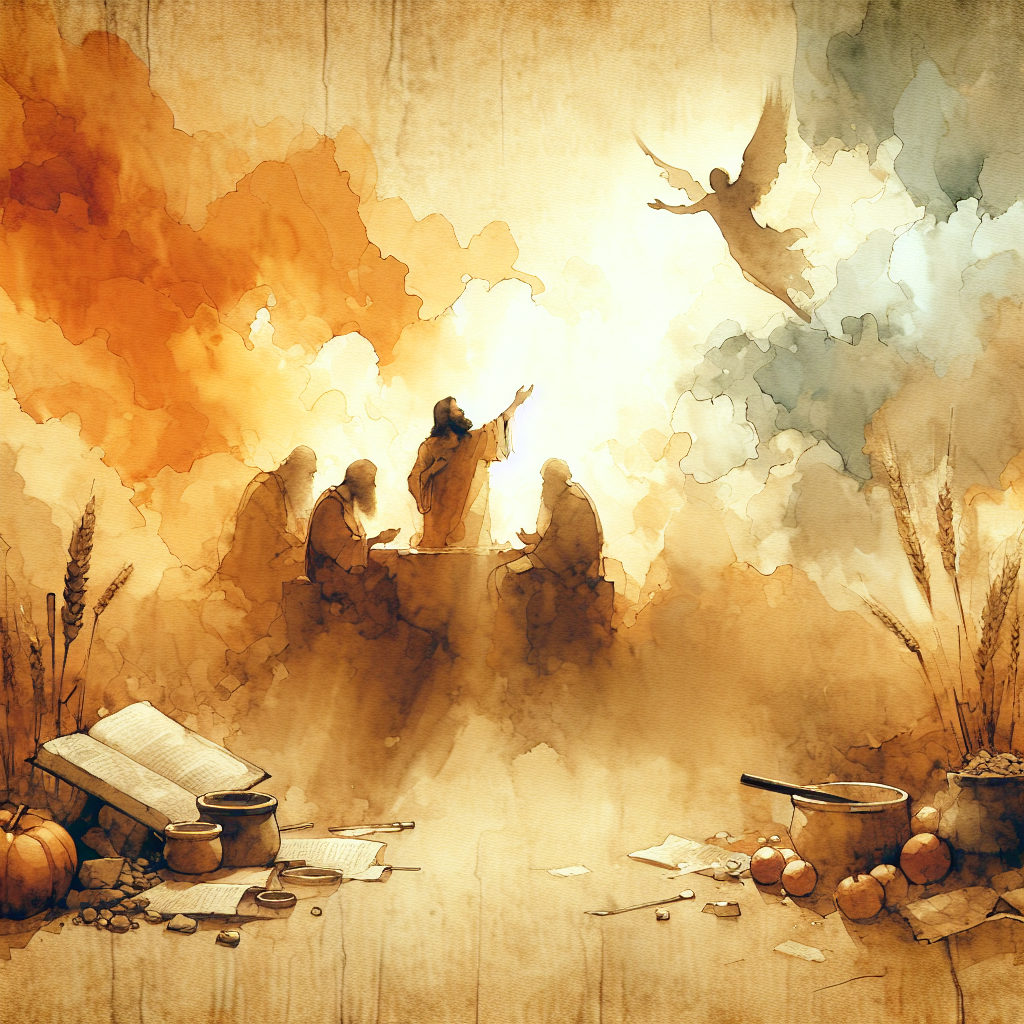
The Broken King: Psalm 51
Have mercy on me, O God, according to your unfailing love; according to your great compassion blot out my transgressions.
The heading tells us when: after Nathan confronted David about Bathsheba and Uriah. The king who could command armies could not command forgiveness. He could only beg.
Have mercy. The first word is plea. No excuses, no explanations, no blame-shifting. Just mercy requested.
According to your unfailing love. David grounds his appeal in God's character. According to your compassion. Not according to David's repentance or resume—according to God's nature.
Wash away all my iniquity and cleanse me from my sin.
Wash. Cleanse. The language of laundry, of stain removal. The sin has soiled him. He needs cleaning he cannot provide himself.
For I know my transgressions, and my sin is always before me.
No denial. I know what I did. The sin is ever-present, haunting, unavoidable. Always before me—every mirror, every shadow, every quiet moment.
Against you, you only, have I sinned and done what is evil in your sight.
Bathsheba was wronged. Uriah was murdered. But ultimately, David sinned against God. You only. Not minimizing other harms but recognizing the deepest offense.
So you are right in your verdict and justified when you judge.
No argument with divine judgment. Whatever sentence God pronounces is just. David will not lawyer his way out.
Surely I was sinful at birth, sinful from the time my mother conceived me.
The problem runs deeper than one act. Sinfulness goes to the root, to conception, to the beginning. This is not excuse but explanation of depth.
Yet you desired faithfulness even in the womb; you taught me wisdom in that secret place.
Yet. God wanted faithfulness from the start. The contrast between what God desired and what David delivered is stark.
Cleanse me with hyssop, and I will be clean; wash me, and I will be whiter than snow.
Hyssop—the plant used for ritual cleansing, for sprinkling blood. David asks for priestly purification. And confidence emerges: I will be clean. Whiter than snow.
Let me hear joy and gladness; let the bones you have crushed rejoice.
Bones crushed by conviction now need healing. Joy and gladness silenced by guilt—let them sound again.
Hide your face from my sins and blot out all my iniquity.
Hide your face from sins—don't look at them. Blot out—erase the record.
Create in me a pure heart, O God, and renew a steadfast spirit within me.
Create. The Hebrew bara—the word used for creation from nothing. Only God creates. David needs a new heart, not a patched one.
Do not cast me from your presence or take your Holy Spirit from me.
David had seen what happened to Saul when God's Spirit departed. The fear was real. Don't cast me out. Don't take your Spirit.
Restore to me the joy of your salvation and grant me a willing spirit, to sustain me.
Restore joy—it was lost in the sinning. Grant willingness—the spirit that obeys eagerly, not grudgingly.
Then I will teach transgressors your ways, so that sinners will turn back to you.
The restored sinner becomes the teacher of sinners. David's failure qualifies him to help others who fail.
Deliver me from the guilt of bloodshed, O God, you who are God my Savior, and my tongue will sing of your righteousness.
Bloodshed. Uriah's murder directly named. Deliver me from that guilt—and I will sing righteousness.
Open my lips, Lord, and my mouth will declare your praise.
Lips sealed by shame need divine opening. Once opened, praise will pour out.
You do not delight in sacrifice, or I would bring it; you do not take pleasure in burnt offerings.
David knew rituals couldn't fix this. Bulls and goats insufficient for adultery and murder.
My sacrifice, O God, is a broken spirit; a broken and contrite heart you, God, will not despise.
The acceptable sacrifice: brokenness. A shattered spirit. A crushed heart. These God receives. These he does not despise.
May it please you to prosper Zion, to build up the walls of Jerusalem.
The personal widens to the corporate. David's sin had consequences beyond himself. Zion's prosperity, Jerusalem's walls—may they not suffer for the king's failure.
Then you will delight in the sacrifices of the righteous, in burnt offerings offered whole; then bulls will be offered on your altar.
After forgiveness, right worship resumes. The sacrifices God delights in come from forgiven, broken, restored worshipers.
The psalm of the broken king. The prayer of every sinner who has run out of excuses and found that mercy was waiting all along.
Powered by ChurchWiseAI
This illustration is a preview of what our AI-powered ministry platform can do. ChurchWiseAI offers a full suite of tools built for pastors and church leaders.
Sermon Companion
Build entire sermons with AI — outlines, illustrations, application points, and slide decks tailored to your tradition.
Ministry Chatbot
An AI assistant trained on theology, counseling frameworks, and church administration to help with any ministry question.
Bible Study Builder
Generate discussion guides, devotionals, and small group materials from any passage — in minutes, not hours.
Try any app free for 7 days — no credit card required.
Get Started